
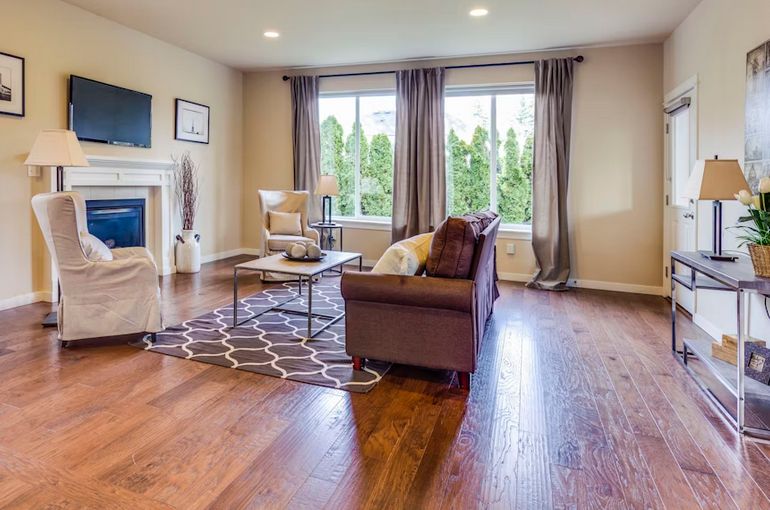
Hardwood flooring remains one of the most admired choices for homeowners looking to add warmth, value, and long-lasting style to their spaces. However, selecting the right type of hardwood requires more than simply picking a color or finish that looks appealing. Factors such as lifestyle, durability, maintenance needs, and installation options all play important roles in determining whether hardwood is the right fit for a home. Without considering these aspects, homeowners risk making costly decisions that don’t align with their daily needs. By understanding the critical elements before making a purchase, you can find a flooring option that provides the right balance of appearance, performance, and practicality. Below are essential considerations every homeowner should keep in mind before investing in hardwood floors.
Type of Hardwood
Hardwood flooring comes in two main categories: solid hardwood and engineered hardwood. Solid hardwood contain single pieces of wood throughout, making it durable and long-lasting. You can sand and refinish multiple times, which extends its lifespan. Engineered hardwood features a layered structure with a real hardwood veneer on top. This design makes it more resistant to moisture and temperature changes, making it appropriate for areas such as basements or kitchens. Homeowners must think carefully about where the flooring will be installed and how the type of wood will perform in those conditions.
Wood Species and Hardness
Different wood species vary in color, grain, and hardness. Oak is one of the most common choices, known for its durability and classic appearance. Maple offers a lighter, cleaner look, while hickory provides a rustic charm with its distinctive grain. Exotic woods like Brazilian cherry or mahogany bring dramatic colors but are often more expensive. Considering hardness is also vital—families with pets or children may prefer harder species that resist scratches and dents better. The species chosen directly impacts the flooring’s longevity and overall appearance.
Finish and Appearance

The finish you select affects not only how your hardwood floor looks but also how it performs. Pre-finished floors arrive from the manufacturer already coated with protective layers, which simplifies installation and provides consistent results. Site-finished floors, by contrast, are sanded and stained after installation, allowing for more customization. Appearance also plays a large role—do you prefer a glossy, reflective finish or a matte, understated look? Grain patterns, board widths, and stains all contribute to how the final flooring complements the design of your home.
Maintenance Requirements
Hardwood floors last for decades, but they require consistent care to maintain their appearance. Homeowners must be aware of the commitment involved. Sweeping and vacuuming regularly prevents dirt from scratching the surface, while occasional refinishing restores worn floors. Some finishes may be more forgiving than others; for instance, matte finishes show fewer scratches than glossy ones. Knowing the time and effort you are willing to dedicate to upkeep is essential before finalizing your decision.
Cost and Budgeting
Hardwood flooring represents a significant investment, and costs vary widely depending on species, finish, and installation. Exotic woods and custom finishes typically demand higher prices, while domestic woods like oak or maple are more affordable. Beyond the initial purchase, homeowners should factor in installation charges, underlayment, and future maintenance expenses. Setting a realistic budget ensures you select an option that provides value without overspending. Though hardwood floors can be costly, they often increase property value, making them a worthwhile long-term investment.
Environmental and Lifestyle Considerations
The lifestyle of your household has a big impact on which hardwood flooring works best. High-traffic homes that have kids or pets may need harder woods with durable finishes. Additionally, those concerned with environmental sustainability may want to choose certified hardwood from responsibly managed forests or look into reclaimed wood options. By considering how your flooring choice aligns with your values and daily activities, you’ll find a more suitable and satisfying option for your home.
In conclusion, choosing the best hardwood flooring involve weighing several important factors: type of hardwood, species and hardness, finish and appearance, maintenance demands, cost, and lifestyle considerations. Each of these elements influences how well the floor will perform over time and how it will fit into your home’s design and functionality. By carefully considering these aspects before making a purchase, you can avoid common pitfalls and select a flooring option that balances beauty, durability, and practicality. Hardwood flooring is a significant investment, and with thoughtful planning, it can bring long-lasting value and style to any residence.